


July 30 (Reuters) – Amazon.com topped market expectations for quarterly cloud revenue growth on Thursday on the back of surging enterprise AI spending, signaling the company’s hefty investments were bearing fruit.
Revenue at its cloud computing unit, Amazon Web Services, jumped 37% to $42.2 billion in the second quarter ended June 30, compared with analysts’ consensus estimate of a 31.21% increase, according to data compiled by LSEG.
The strong showing from the world’s No. 1 cloud services provider mirrors solid performances from smaller rivals Microsoft and Alphabet’s Google, both of which comfortably beat Wall Street estimates for cloud revenue.
The upbeat results could help quell some concerns over Big Tech’s relentless AI investments — set to exceed $700 billion this year — which have strained cash flows at the traditionally cash-rich companies and sparked worries that they might be overbuilding capacity.
Companies, however, have argued that the outlays are crucial to help ease capacity constraints that have prevented them from fully meeting AI-driven demand, pointing to their ballooning contract backlogs.
Amazon Web Services has benefited from a growing roster of partnerships this year, including massive cloud infrastructure and chip supply deals with OpenAI, Anthropic, Meta, Pinterest and Snowflake.
The company said earlier this year that AWS’ annual AI revenue run rate has surpassed $15 billion and was growing in a triple-digit percentage range, looking to reassure investors that its investments were generating clear returns.
Analysts have said Amazon will be able to sustain that level of growth as more data center capacity comes online over the next several months.
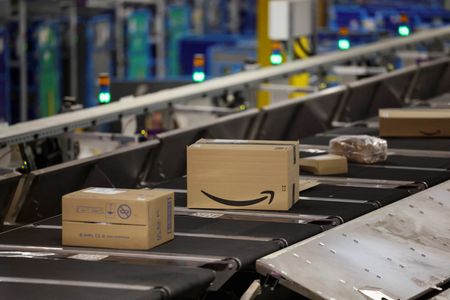
In its e-commerce business, Amazon has been rolling out faster delivery services globally and expanding to more rural areas of the U.S. to draw more shoppers.
The company also held its annual Prime Day event in the quarter, running from June 23 through June 26. The online shopping event featuring steep discounts saw customers snap up electronics, appliances and everyday essentials, with an Adobe Analytics estimate pegging total spending at over $26.4 billion.
(Reporting by Deborah Sophia in Bengaluru; Editing by Sriraj Kalluvila)
Brought to you by www.srnnews.com