

By Sabrina Valle and David Shepardson
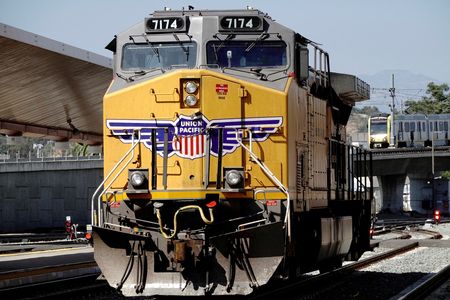
Jan 16 (Reuters) – The U.S. Surface Transportation Board on Friday sent back Union Pacific’s proposed $85 billion merger with Norfolk Southern for revision, saying it lacked required information, as part of a review in which the U.S. transport regulator will define what enhanced competition means under tougher merger rules adopted in 2001.
The STB ruled the December application incomplete, citing missing projections of market share and impacts on competition. The board rejected the filing without prejudice, allowing the railroads to refile once the deficiencies are addressed.
President Donald Trump has publicly backed the proposed merger. The administration has tended to approve large transactions or impose remedies rather than block them outright. Such a merger was considered unthinkable under the previous Biden administration and its broader crackdown on consolidation.
It is the first major proposed railroad merger to be reviewed under the stricter framework put in place more than two decades ago, which requires applicants to prove their transaction would enhance competition — not merely preserve it — while delivering demonstrable public‑interest benefits.
In its decision, the board said the railroads projected traffic growth and diversions from the proposed coast‑to‑coast railroad but provided only 2023 market‑share data, not the required projections showing how the combined carrier’s share might evolve several years after closing.
The ruling follows a January filing by Canadian National, which argued that the application lacked critical competitive disclosures — including methodology for identifying routes where two tracks feed into one and complete lists of potentially affected shippers — limiting stakeholders’ ability to assess the merger’s competitive impact.
Union Pacific and Norfolk Southern filed their nearly 7,000‑page application on December 19, saying the combination would improve service reliability, divert freight from trucks to rail, retain shipper options and deliver broad public benefits while protecting union jobs.
The STB stressed that its ruling should not be read as an indication of how it might ultimately decide the merits of a revised filing.
(Reporting by Sabrina Valle in New York, David Shepardson in Washington; additional reporting by Nathan Gomes in BengaluruEditing by Rod Nickel)
Brought to you by www.srnnews.com