
HONG KONG (AP) — Prominent democracy advocate Jimmy Lai was a child stowaway from mainland China who rose to become Hong Kong’s onetime media magnate. Unlike other rags-to-riches tycoons who cultivated ties with Beijing, he chose to become its fierce critic.
The 78-year-old founder of the now-defunct Apple Daily, a newspaper known for critical reports against both the Hong Kong and Beijing governments, was sentenced to 20 years in prison Monday for his conviction under a China-imposed national security law.
Here are 10 key moments in Lai’s life showing his evolution from a clothing businessman to one of the city’s best-known pro-democracy activists.
From a child laborer in a glove factory, Lai transformed himself into a clothing entrepreneur, founding the Giordano casual clothing chain in 1981.
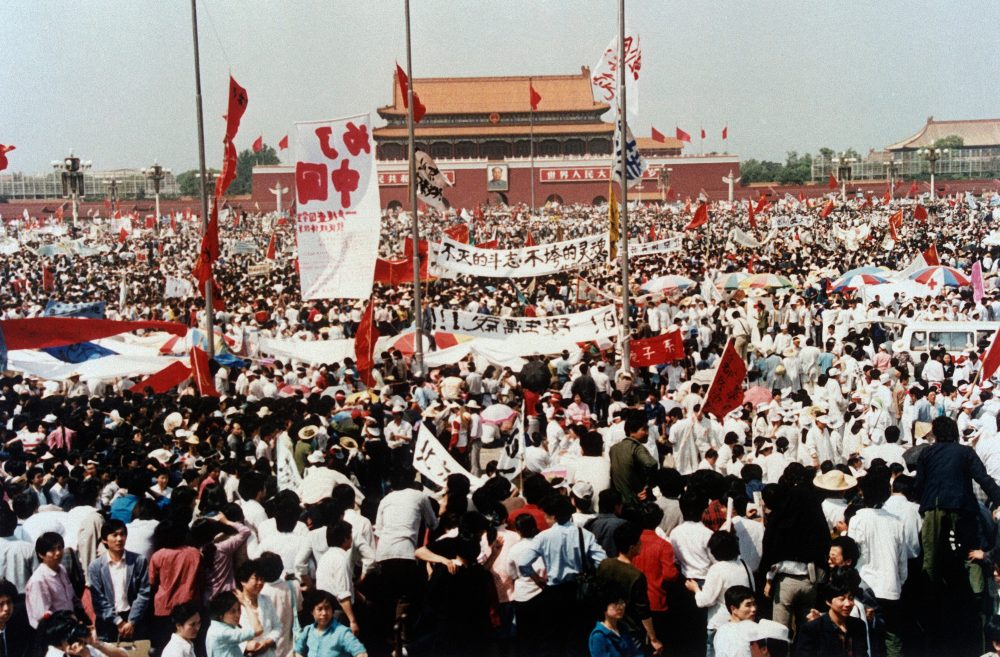
But the 1989 Tiananmen Square crackdown on pro-democracy protests in Beijing changes Lai’s path. Giordano prints T-shirts in support of the student-led, pro-democracy protests. He becomes interested in the media to disseminate information.
Lai breaks into the media world and sets up Next Magazine with a goal to “participate in delivering freedom.”
“The more you are in the know, the more you are free,” he said in 2024 while giving testimony at his trial.
After then-hardline Chinese Premier Li Peng justified the Tiananmen crackdown, Lai gets mad.
He writes an open letter to call Li “the son of a turtle egg,” a slur in Chinese.
China pressures the Giordano brand, eventually forcing Lai to sell his stake in the company.
Lai launches Apple Daily two years before Hong Kong, then a British colony, is returned to China.
Lai stars in the advertisement for the tabloid-style publication, biting an apple while being targeted by arrows. The commercial ends with the newspaper’s slogan, “an apple a day keeps the liars away.”
Apple Daily is seen by some as a voice for democracy and freedom, drawing a strong following with its sometimes sensational reports and later investigative scoops.
Apple Daily gives out posters in support of a major protest against a proposed national security law on the sixth anniversary of Hong Kong’s return to Chinese rule. The poster is printed with the message, “Don’t want Tung Chee-hwa,” referring to Hong Kong’s first Beijing-backed city leader after the 1997 handover.
The protest draws an estimated half a million people to Hong Kong streets and the government later withdraws the proposed law.
Lai joins pro-democracy protests against proposed electoral reforms that fall short of full democracy. Outside government headquarters on Sept. 28, he wears the goggles that are common protective gear among protesters. Demonstrators fend off police pepper spray with umbrellas, causing the demonstrations to become known as the Umbrella Movement.
Police clear the protest site following 79 days of the street occupation movement. Before being taken away by police, Lai chants, “I want genuine universal suffrage.”
Lai joins street protests again.
After demonstrators storm and vandalize the legislative building on July 1, Lai suggests his newspaper colleagues report on the young protesters’ thinking to gain sympathy for them.
He also meets U.S. Vice President Mike Pence and Secretary of State Mike Pompeo, angering Beijing.
Police arrest Lai on suspicion of collusion with foreign forces under a national security law that Beijing deems necessary for the city’s stability. The media tycoon is among the first prominent figures to be prosecuted.
Officers also raid his media company, sending shock waves through Hong Kong’s news industry.
The newspaper is forced to close after authorities arrest top executives and editors, and freeze some of its assets. Police also raid its office.
The final edition of Apple Daily sells 1 million copies.
Lai has remained in custody since December 2020.
After a 156-day trial, three government-vetted judges convict Lai of conspiracy to collude with foreign forces and conspiring with others to publish seditious articles.
His verdict raises concerns over the decline of the city’s press freedom and draws criticism from foreign governments. The Hong Kong government insists his case has nothing to do with media freedom.
___
Moritsugu reported from Beijing.
Brought to you by www.srnnews.com