

(Corrects to give full name and title of Exxon CEO in paragraph 2)
By Sheila Dang
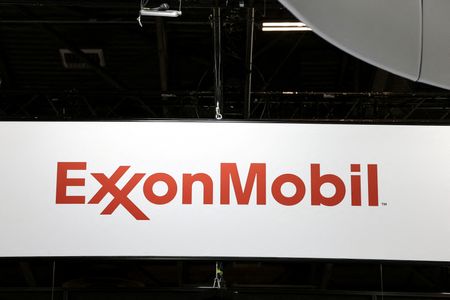
HOUSTON, Jan 12 (Reuters) – Exxon Mobil remains interested in visiting Venezuela and is prepared to send an assessment team there, a source familiar with the company’s strategy told Reuters on Monday, a day after U.S. President Donald Trump said he might keep the oil company out of the country.
During a White House meeting on Friday alongside other top oil executives, Exxon CEO Darren Woods said Venezuela needed to make legal changes and protect investments before Exxon would commit to operating in the country.
Days later, Trump told reporters on Air Force One that he “didn’t like Exxon’s response,” adding that he was inclined to keep the oil major out.
Exxon executives were surprised by the events, the source said, because Woods also told Trump he believed the administration could help solve Venezuela’s problems.
Woods said Exxon could send a technical team to the country within weeks to begin evaluating oil infrastructure and other assets.
Exxon Mobil did not immediately respond to a request for comment.
The White House meeting took place less than a week after American forces captured and removed Venezuelan President Nicolas Maduro in an overnight raid. Trump has urged American energy firms to invest $100 billion to rebuild Venezuela’s oil industry.
Exxon, ConocoPhillips and Chevron were key partners of Venezuela’s state oil company, PDVSA, before former President Hugo Chavez nationalized the industry between 2004 and 2007.
Chevron negotiated a deal and remained in the country, but ConocoPhillips and Exxon left and are now owed more than $13 billion collectively after lengthy arbitration cases.
THE CHALLENGES AHEAD
Exxon and ConocoPhillips face long-term concerns that impact a decision about whether to re-enter Venezuela, which remain unchanged even after they met with Trump last week, three industry experts told Reuters.
Chevron is the only American oil major currently operating in Venezuela and it emerged from the meeting in a stronger position because it has room to invest in its existing operations to increase production, said one of the sources, a former oil executive.
“Exxon is not going to break a sweat if they’re not the first in the queue to get in,” one energy analyst said, declining to speak publicly about a client, adding that Trump’s comments would not necessarily influence the long-term plans of any of the companies, given that big energy projects take several years to build and many more to provide a return on the investment.
On Monday, American Petroleum Institute President Mike Sommers said before the oil industry moves into Venezuela, it would need to have greater workforce security and policy reforms, including measures covering contract sanctity.
Debts from previous asset expropriations will be a “significant hurdle for many companies that may be concerned about investing in this resource,” Sommers said during a briefing.
Still, he said energy assets in the country were large enough to attract significant interest and he believes the Trump administration understands industry concerns.
“The asset base in Venezuela is huge and the potential for investment is very significant,” Sommers said.
(Reporting by Sheila Dang in Houston; Editing by Nathan Crooks and Thomas Derpinghaus)
Brought to you by www.srnnews.com