

HARARE, Zimbabwe (AP) — A parliamentary public hearing on proposed constitutional amendments that could extend the term of Zimbabwe’s 83-year-old president descended into chaos on Tuesday, underscoring rising tensions over the contentious changes.
The situation at a sports complex in the capital, Harare, turned violent when prominent human rights lawyer Doug Coltart was attacked, leaving him bruised. His cellphone was taken and his glasses were broken. The unrest came amid a broader crackdown on critics of the proposed changes.
People shouting support for the presidential term extension shoved and slapped Coltart as he tried to exit the complex. He was one of the critics walking out in protest over the intimidation characterizing the meeting.
The amendments would allow President Emmerson Mnangagwa, a former guerrilla fighter, to remain in power for two more years beyond his current term, which expires in 2028. They would also shift the election of the president from a popular vote to Parliament and extend the terms of both the president and lawmakers from five to seven years.
The hearings, taking place nationwide, are a mandatory step before lawmakers vote on the bill, though the public input isn’t binding on Parliament.
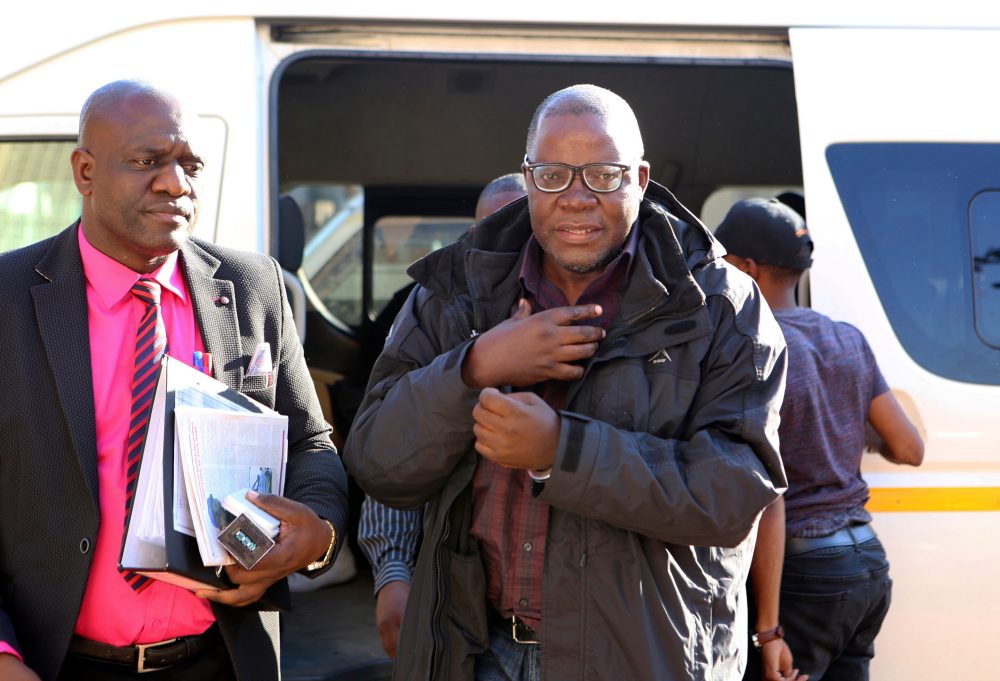
At several hearings that began across the country on Monday, critics of the amendments were drowned out by boos, heckling and intimidation, or denied the chance to speak, said Tendai Biti, leader of the Constitutional Defenders Forum, a group campaigning against the proposals.
Biti, a former finance minister, was released on bail last week after being detained for allegedly holding an unsanctioned meeting opposing the amendments.
Earlier this month, another opposition figure was hospitalized after being beaten by unidentified men that he said were police officers, following a meeting on the proposed changes. Police denied involvement, saying the gathering had been banned.
Authorities have rejected accusations of suppressing dissent, saying the reforms are being pursued within the law. Mnangagwa has said that he will step down at the end of his second term in 2028, but he hasn’t publicly opposed efforts by his governing ZANU-PF party to extend it.
Mnangagwa came to power after a popular 2017 military coup ousted Zimbabwe’s longtime leader, the late Robert Mugabe. Mnangagwa later won disputed elections in 2018 and 2023, both of which were criticized by international rights groups over alleged crackdowns on opposition candidates and supporters.
Critics argue that any move to extend presidential terms requires approval through a national referendum.
___
AP Africa news: https://apnews.com/hub/africa
Brought to you by www.srnnews.com