


TOKYO (AP) — Taiwan’s chipmaker TSMC said Thursday it will be manufacturing some of the world’s most cutting-edge semiconductors in Japan to meet booming artificial intelligence-related demand, in a boost for the country’s chipmaking ambitions.
Taiwan Semiconductor Manufacturing Corp., a major chip supplier to companies such as Nvidia and Apple, said Thursday it plans to make 3-nanometer semiconductors — advanced chips that are used in areas such as AI products and smartphones — at its second factory in Japan’s Kumamoto Prefecture, which is under construction.
The decision by TSMC, the world’s largest contract chip maker, was a coup for Prime Minister Sanae Takaichi ahead of a general election on Sunday, where she hopes to secure the public’s mandate for her policies riding on high approval ratings.
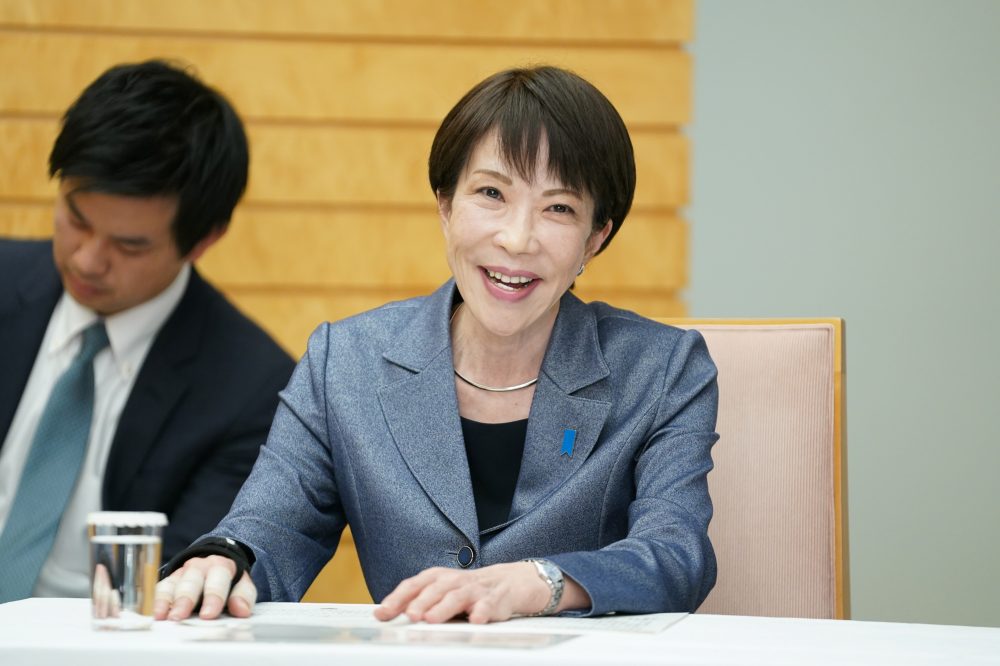
The announcement came while Takaichi was meeting with TSMC’s CEO and Chairman, C.C. Wei, in Tokyo.
“It is very meaningful from the perspective of Japanese economic security, and I would like the project to move forward as proposed, by all means,” Takaichi said during the meeting.
The advanced chips set to be made in Kumamoto will be used in AI, robotics and autonomous driving, sectors that Takaishi’s cabinet has designated as strategically important fields.
TSMC’s first Kumamoto plant started mass production in late 2024 and makes less advanced chips. The company also is building new plants in Arizona in the U.S. to create a fabrication plant cluster and meet growing demand from customers building on the global AI frenzy.
TSMC said in a separate emailed statement that Wei believes Japan’s “forward-looking semiconductor policy will deliver significant benefits to the semiconductor industry.”
As Japan looks to gain ground in global advanced chipmaking competitiveness, it is also providing huge subsidies for its domestic chipmaker Rapidus, which is advancing towards mass producing cutting-edge chips.
“There is a huge significance to have the world’s most advanced semiconductor factory in Japan from the perspective of economic security,” the Prime Minister’s Office said in a message posted on X on Thursday.
Despite growing concerns over a potential AI-related bubble where massive investments may not pay off, TSMC’s Wei said last month he was confident the growing AI demand from its customers is “real.”
Last month, TSMC said it plans to increase capital spending by up to nearly 40% this year as AI-related demand lifted its profits. It plans to raise its capital spending for 2026 to $52 billion-$56 billion, up from last year’s $40 billion.
___
Chan reported from Hong Kong.
Brought to you by www.srnnews.com